Our Mission

The Impact of Intelligent Intersections

Legacy infrastructure relies on rigid, outdated timers. Our platform utilizes real-time edge computing and computer vision to dynamically adapt to road conditions, delivering immediate value to municipalities and commuters alike.

Real-Time Object Detection in Action

This should be an image

Advanced Computer Vision

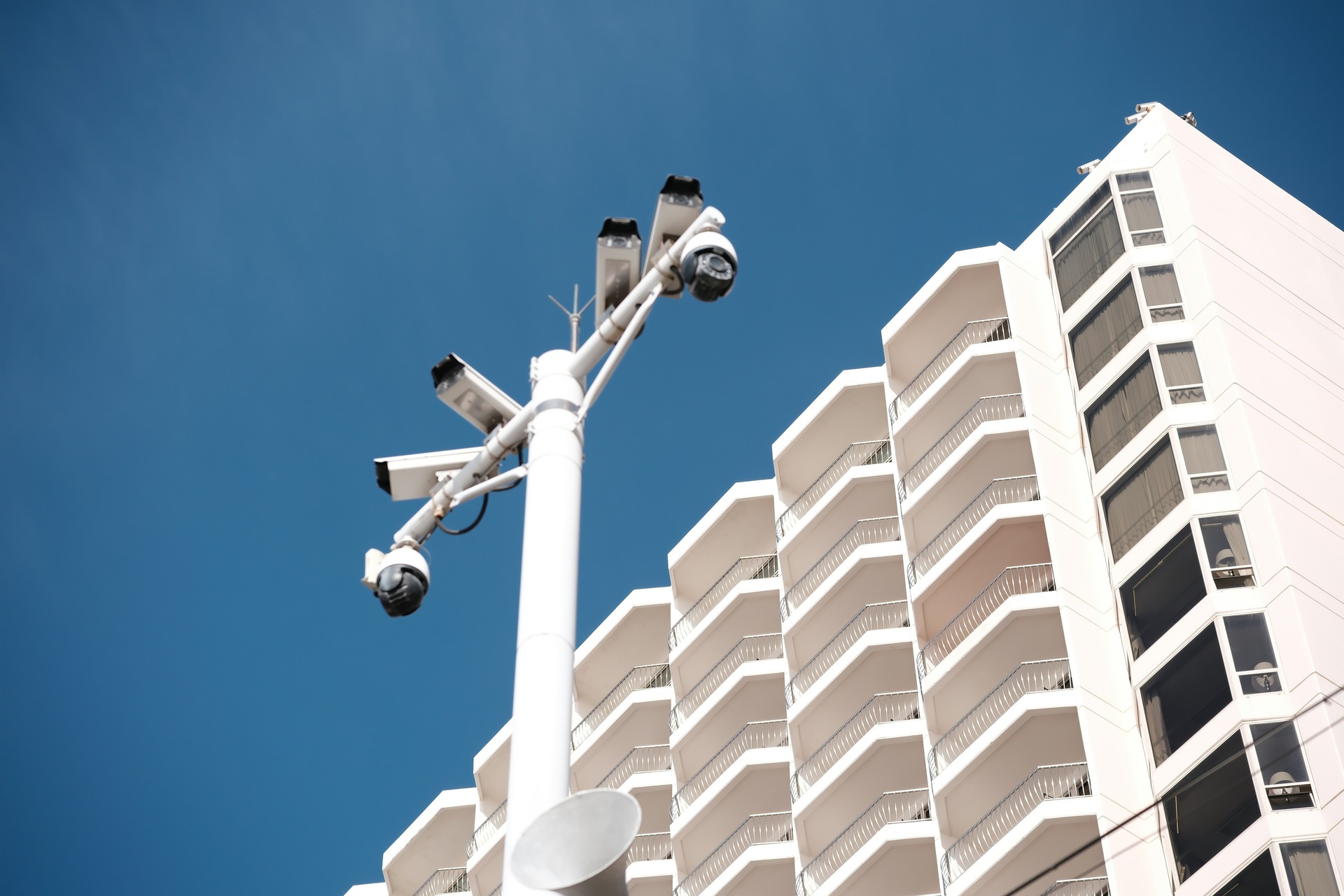
High-definition intersection cameras serve as the visual cortex of our network. Utilizing proprietary deep learning models, the system continuously scans the environment to accurately detect, track, and classify vehicles, pedestrians, and cyclists in real-time. The models are trained to maintain high-fidelity tracking across varying weather conditions, glare, and nighttime environments.
Low-Latency Edge Computing

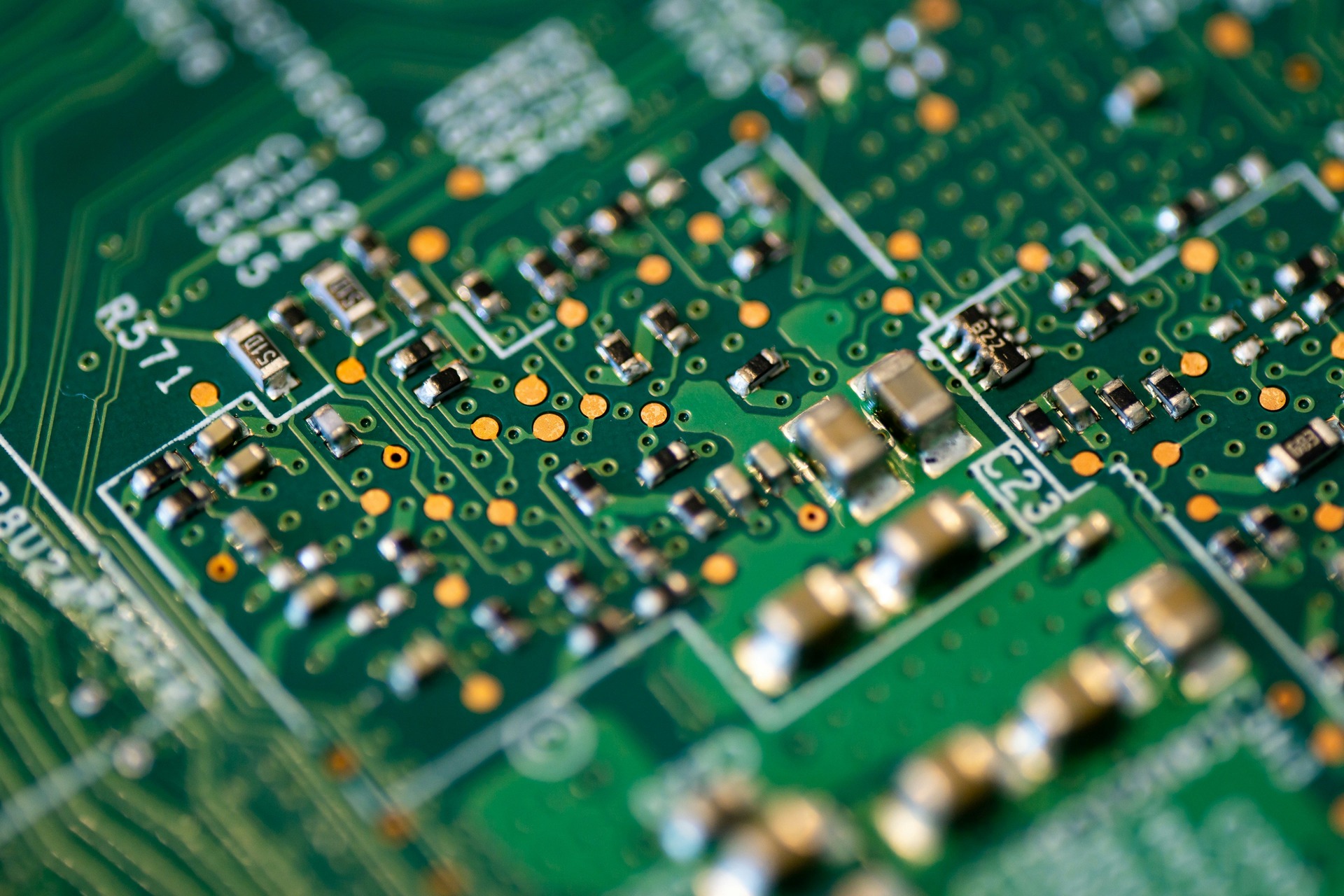
Transmitting heavy video streams to a centralized cloud introduces latency and bandwidth costs. We solve this by processing the visual data directly at the intersection using localized edge computing hardware. This guarantees millisecond processing speeds, ensures the system remains operational even during network outages, and strictly protects citizen privacy by extracting only metadata—never storing or transmitting raw video feeds.

This should be an image

Dynamic Signal Phasing

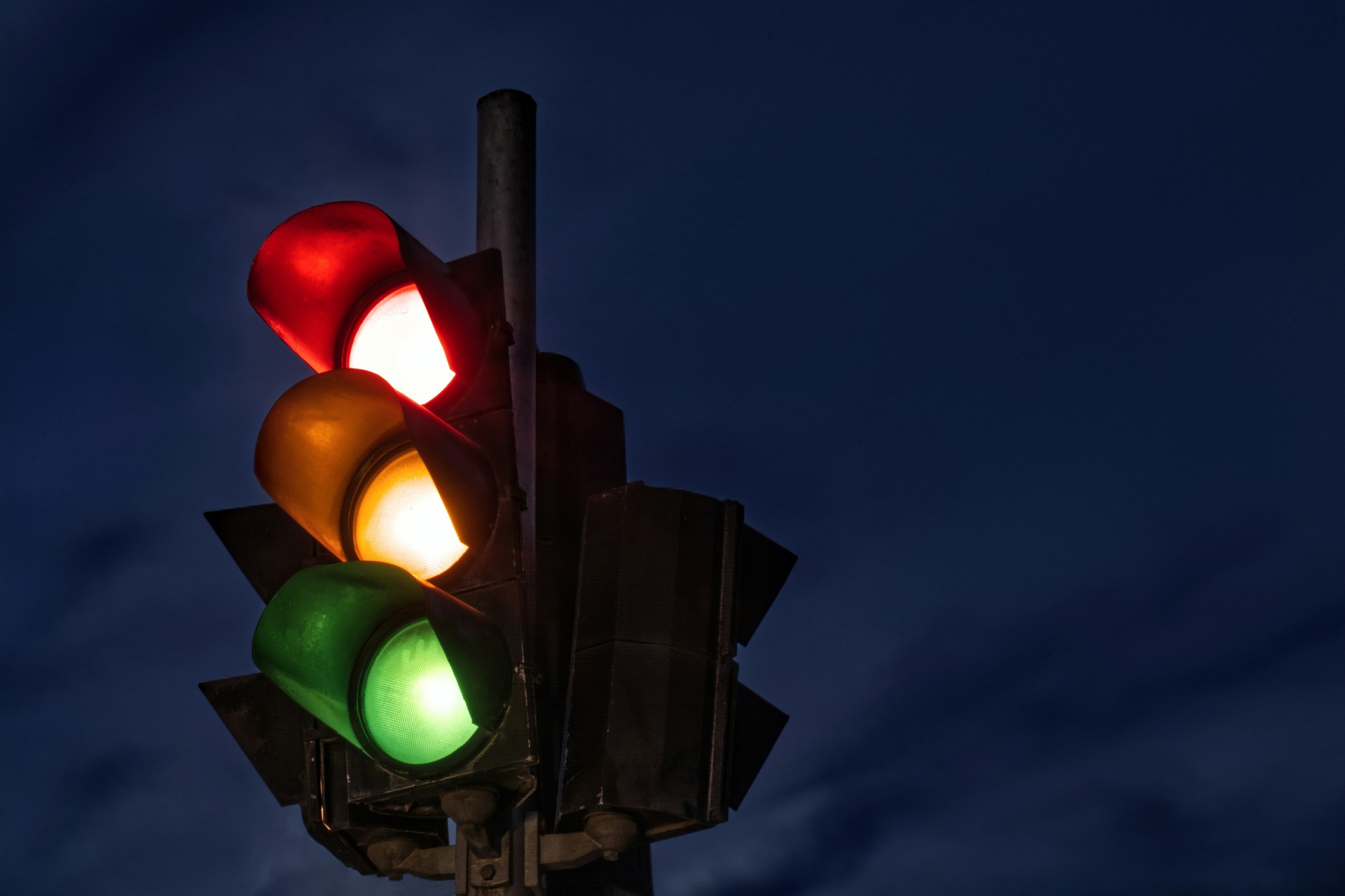
The extracted metadata is instantly fed into our predictive optimization algorithms. The system communicates directly with the intersection's existing traffic controller cabinet, actively manipulating signal phases. It can dynamically extend green lights to clear heavy queues, shorten red lights for empty lanes, or instantly trigger preemption protocols for approaching emergency vehicles.